
BarTov
Design & Creative
- Overview
- Challenge
- Design Approach
- Brand Design
- Product Design
- Design System
- Conclusion

Qat - Cybersecurity for the quantum era
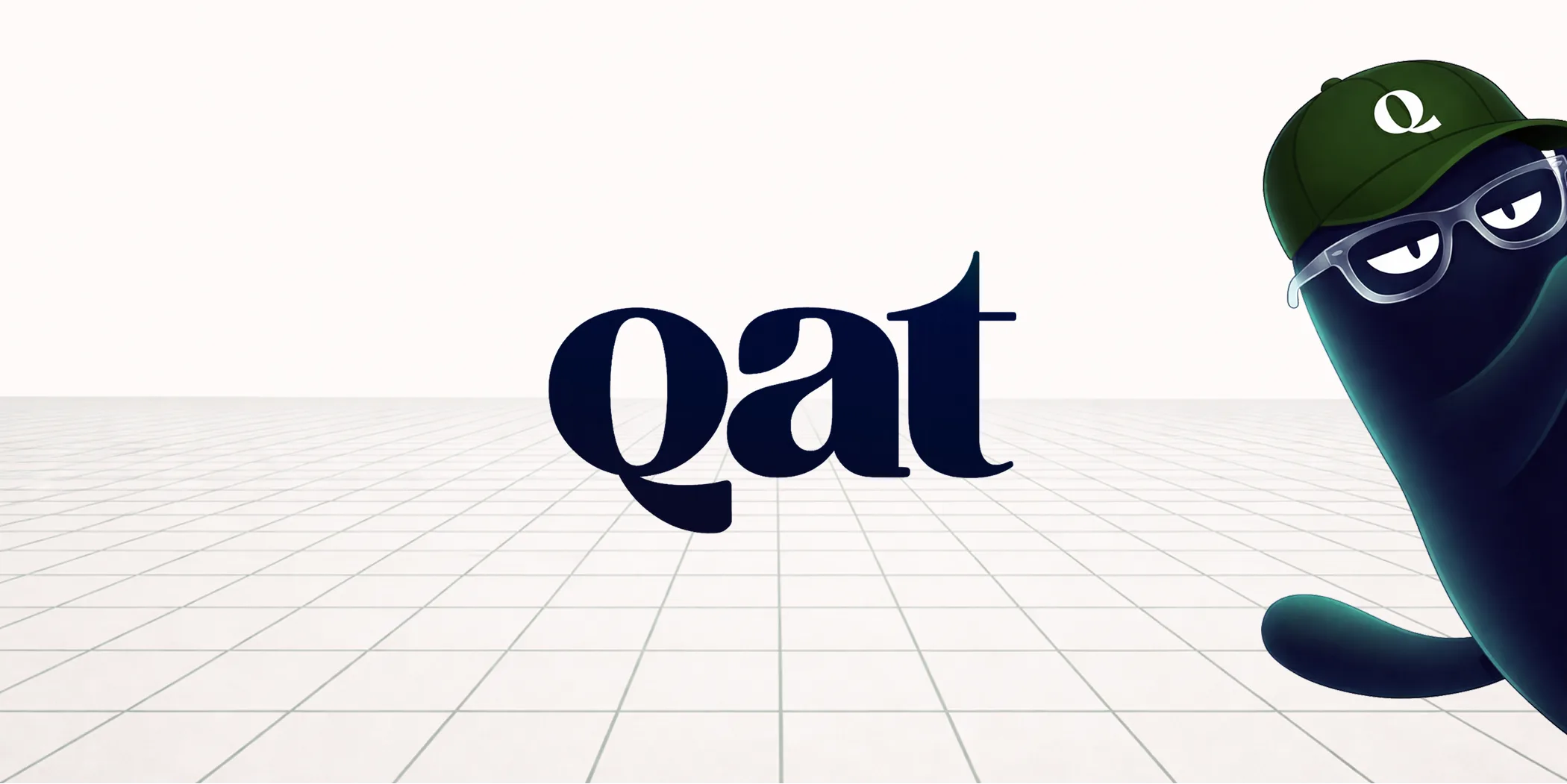
Disclaimer: Qat is a fictional product concept created as part of an independent branding and design exploration. The design is based on an existing product that I designed, whose original purpose was different, and which I adapted through new branding, content, and product storytelling to fit a quantum-cybersecurity narrative.
Overview
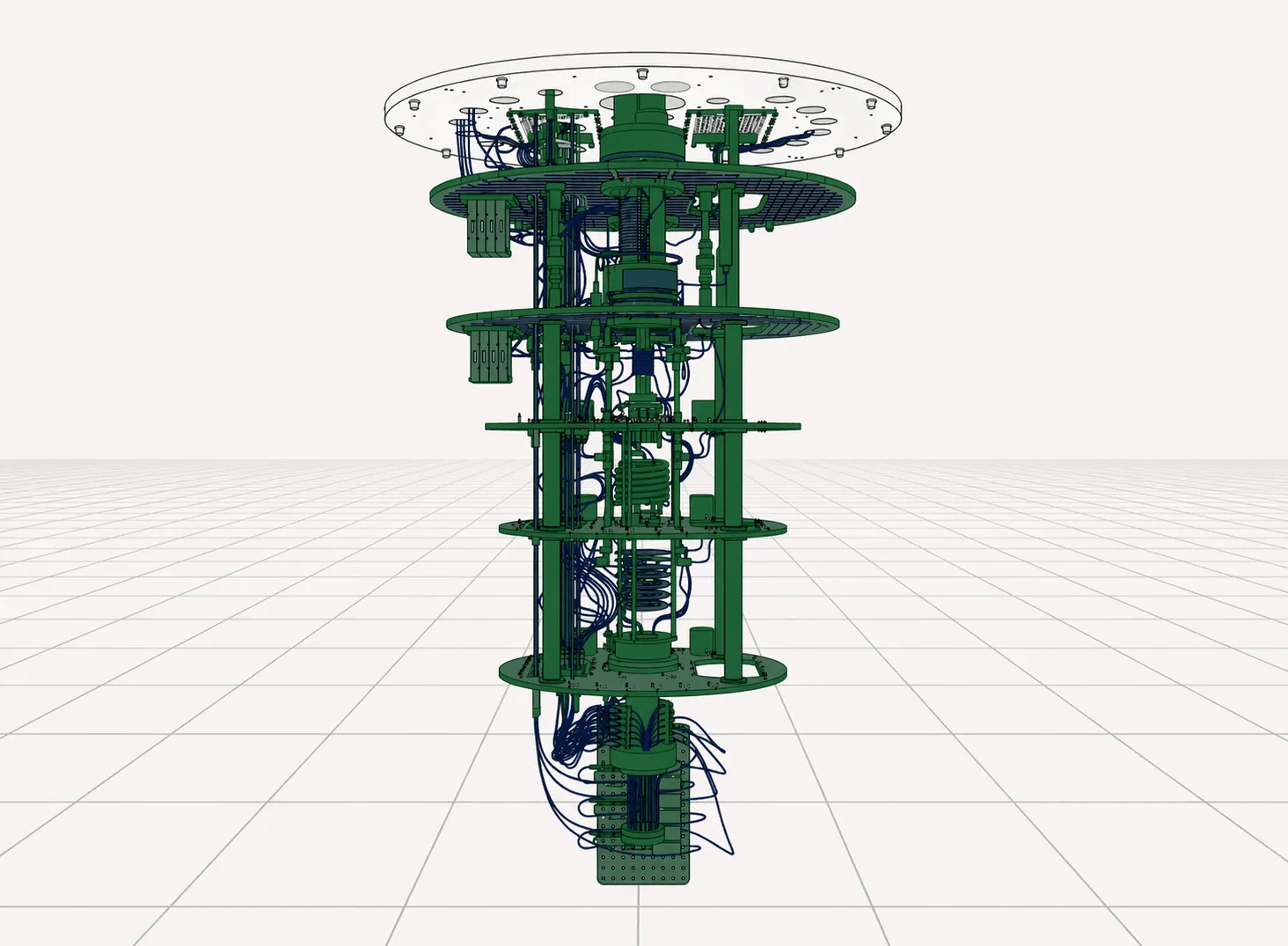
Quantum computing is moving from theory into real-world infrastructure, bringing new security challenges that traditional cybersecurity tools were never built to address. Qat was founded to solve this by creating quantum-native cybersecurity infrastructure that protects quantum environments.
My role was to design both the brand foundation and the product experience. Because the field is highly technical and unfamiliar to much of the market, the design needed to establish credibility while making complex systems understandable. I approached brand and product as one unified system, building a design language that could scale across the platform, website, and marketing while communicating clarity, confidence, technical depth, and character.
Challenge
Designing for quantum security involved both product and brand complexity. The field is highly abstract, and even experienced cybersecurity professionals are still learning how quantum infrastructure works, what risks it introduces, and how to evaluate the companies operating in it. At the same time, these environments are high-stakes, requiring interfaces that help security teams detect issues quickly and a brand that communicates clarity, trust, and technical confidence.
As a result, many existing security products struggle to balance clarity, complexity, and differentiation. Some overwhelm users with crowded dashboards and dense technical detail, while others oversimplify and feel like generic enterprise tools with little brand distinction.
Product Challenge
Dense data.
High stakes.
Quantum infrastructure is complex. Security teams scan, don't read. The product had to surface critical signals instantly without creating noise.
Brand Challenge
Different.
Without losing trust.
The market looked the same. The brand had to stand out fast without losing credibility, seriousness, or trust.
Design Approach
From the beginning, I focused on designing a system rather than isolated assets. Instead of starting with screens or marketing visuals, I first defined a design foundation that could support both the product and the brand.
Three principles guided the work:
01
Clarity under Complexity
The design needed to make a technical domain understandable across both product and brand, creating clarity without oversimplifying the subject.
02
Structured to Scale
The interface and identity were built as systems, with reusable product patterns and a brand language that could extend across screens, campaigns, and materials.
03
Calm technical Confidence
The design needed to feel precise, controlled, and trustworthy, reducing noise in the product while creating a distinctive but credible brand.
Brand Design
Industry Landscape
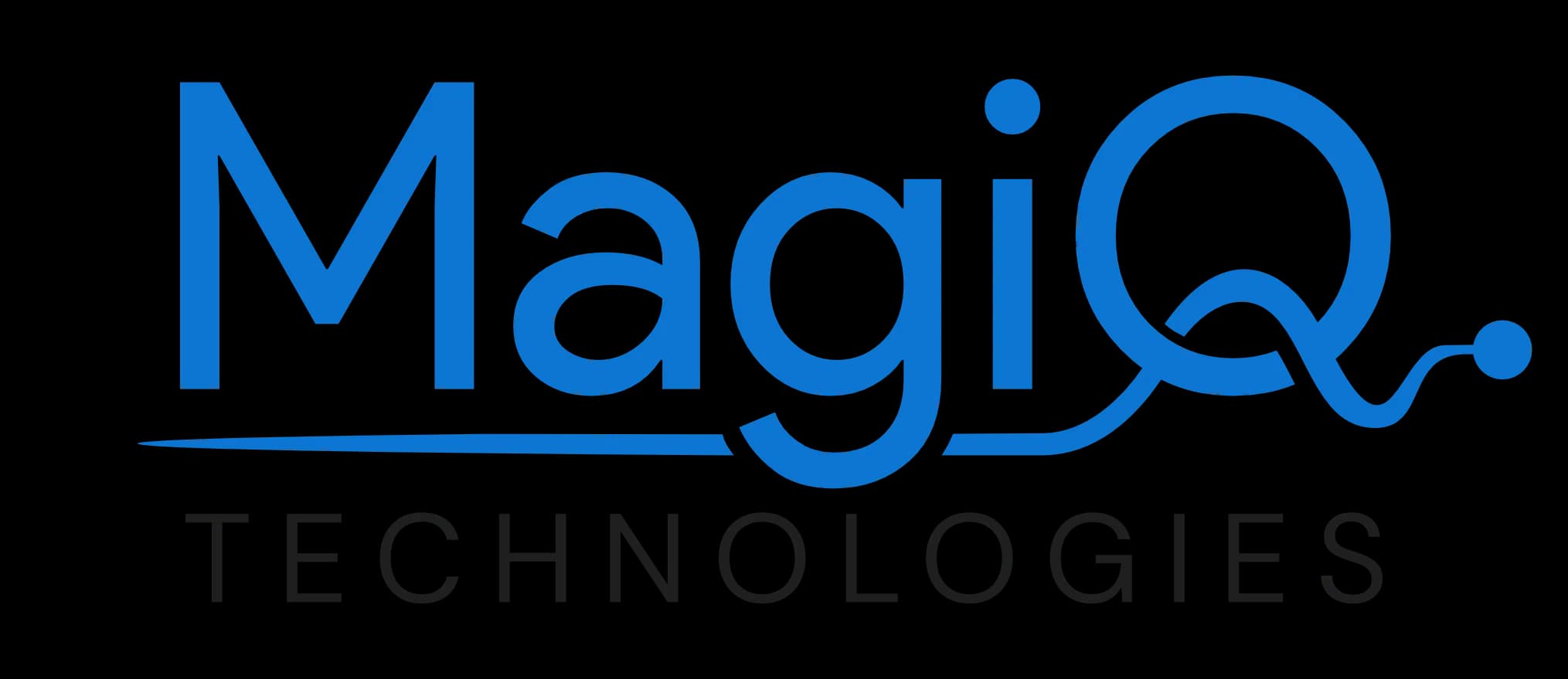
The quantum cybersecurity space tends to look visually repetitive. Most companies rely on similar design cues: blue palettes, geometric symbols, and abstract technology marks. Logos often follow the same formula - clean sans-serif typography paired with circles, nodes, or grid-like patterns meant to signal cryptography and advanced computing.
While these conventions communicate “technology” and “security,” they also make many brands feel visually similar. In a category defined by deep technical complexity, this sameness makes it difficult for companies to stand out or create a memorable identity.


Name & Logo
The naming work began with the company’s domain: quantum cybersecurity. The name needed to connect to quantum computing while also suggesting observation, intelligence, and protection.
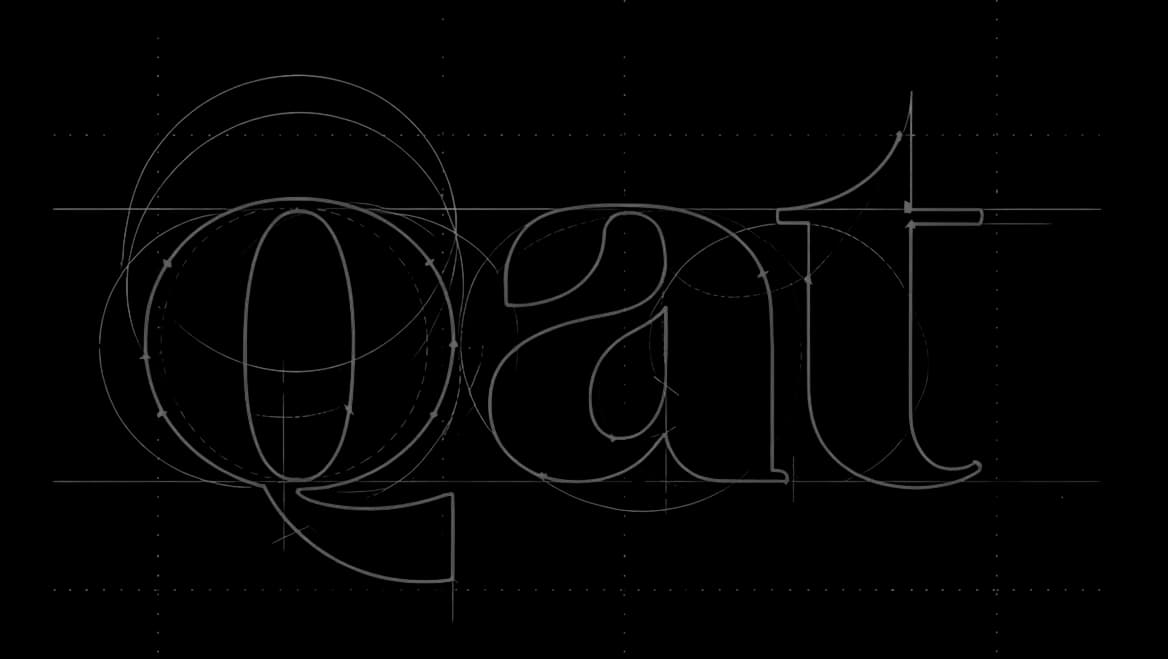
The name Qat was designed to create a direct connection between the world of quantum computing and the company’s role in securing it. It provided a compact, distinctive foundation for the brand, with enough conceptual depth to support both the naming story and the visual identity that followed.
Reference
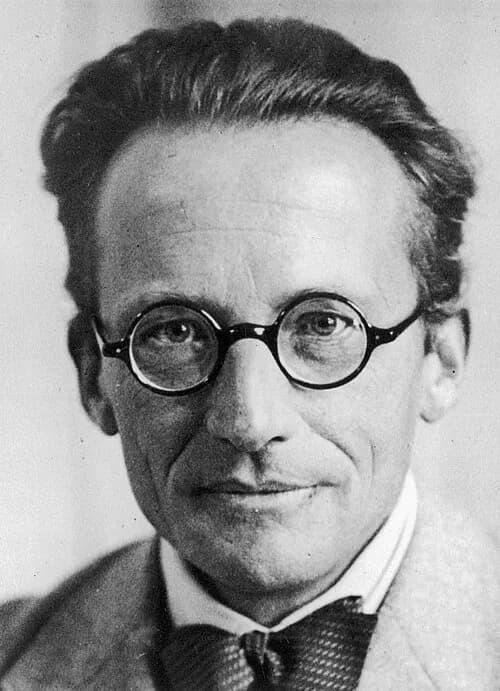
Schrödinger's Cat
A famous quantum thought experiment connecting quantum uncertainty to Qat’s mission to secure it.

Replaces
C → Q
Replacing the C in “cat” with a Q creates a simple reference to quantum while making the name more memorable.
Logo Detail
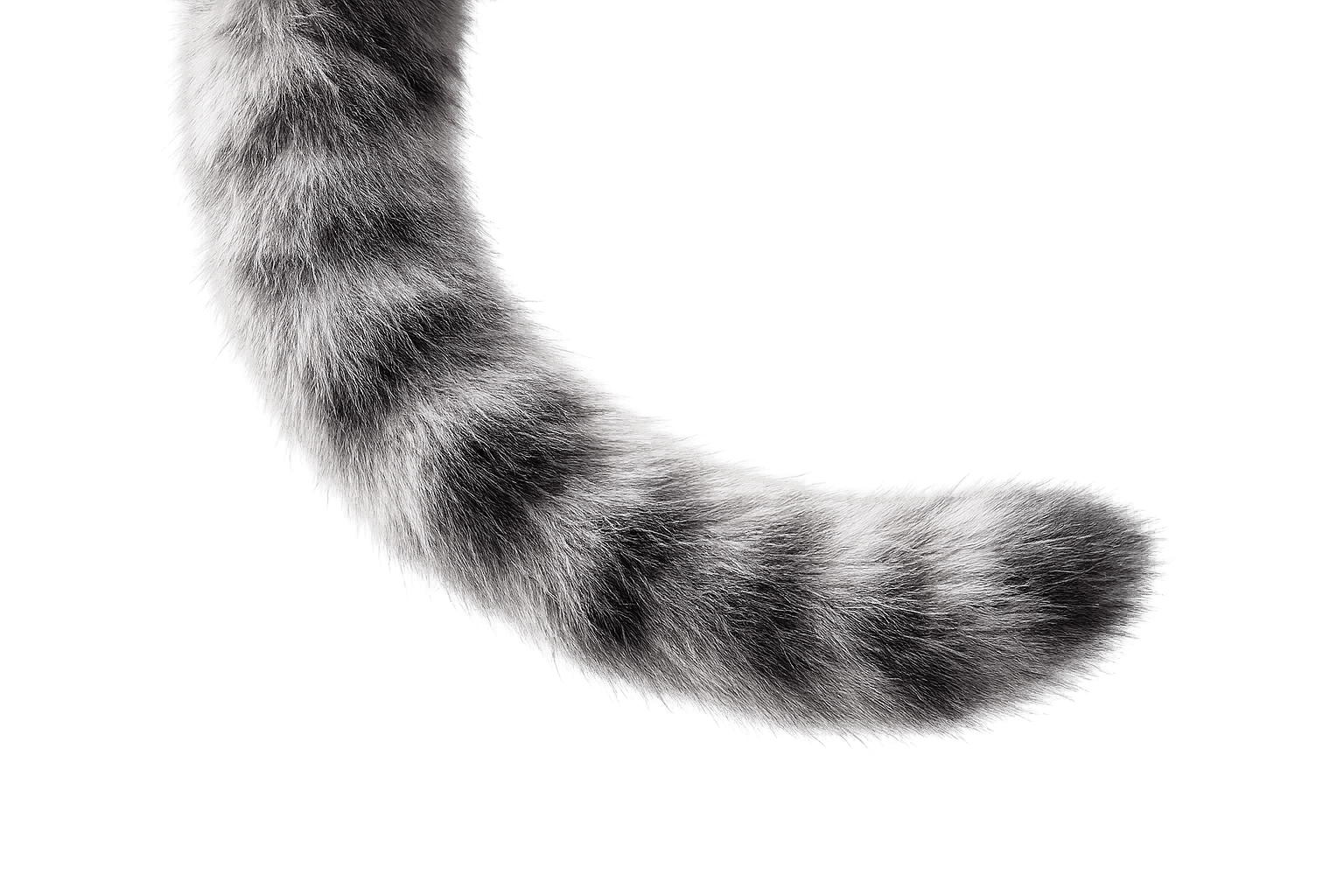
Q tail → Cat’s tail
The tail of the Q subtly curves like a cat’s tail, visually connecting the letterform to the brand’s cat motif.
Colors
Color was used to keep the brand serious, technical, and credible. The restrained palette creates contrast, hierarchy, and structure without making the identity feel generic or playful.
The same palette works across brand and product. In the brand, it gives typography, composition, and illustration room to stand out without feeling childish. In the product, it supports clarity, hierarchy, and readability, helping dense information feel more structured.
neutral-990
#0A0F0C
navy-975
#010A2C
green-900
#1A3D24
neutral-50
#F6F1EF
white
#FFFFFF
Brand Activation & Creative Strategy
A defining part of the Qat identity is the recurring cat motif, which appears across illustrations, campaigns, branded materials, and subtly within the product itself.
The choice of a cat was not just a reference to Schrödinger’s cat. Cats are also associated with qualities that align naturally with cybersecurity: alertness, intelligence, curiosity, and quiet observation. These characteristics made the motif feel conceptually relevant rather than decorative.
The cat was intentionally developed as a mascot and became a central part of the brand system. It appeared across the identity in varied ways - sometimes exploring digital environments, sometimes in more playful or unexpected scenarios - adding personality, memorability, and a distinctive visual signature to the brand.
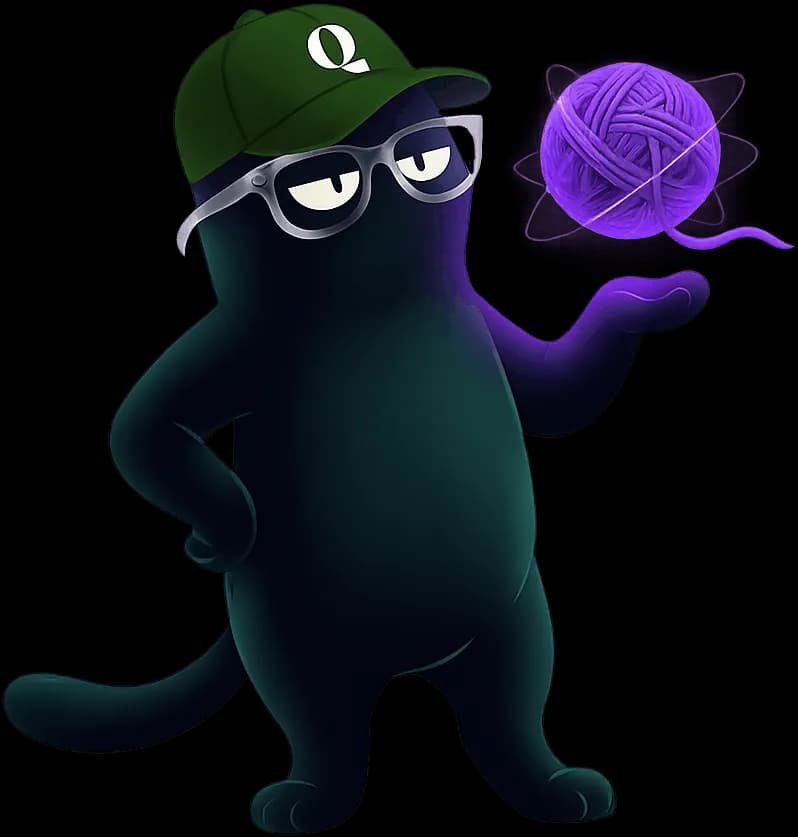
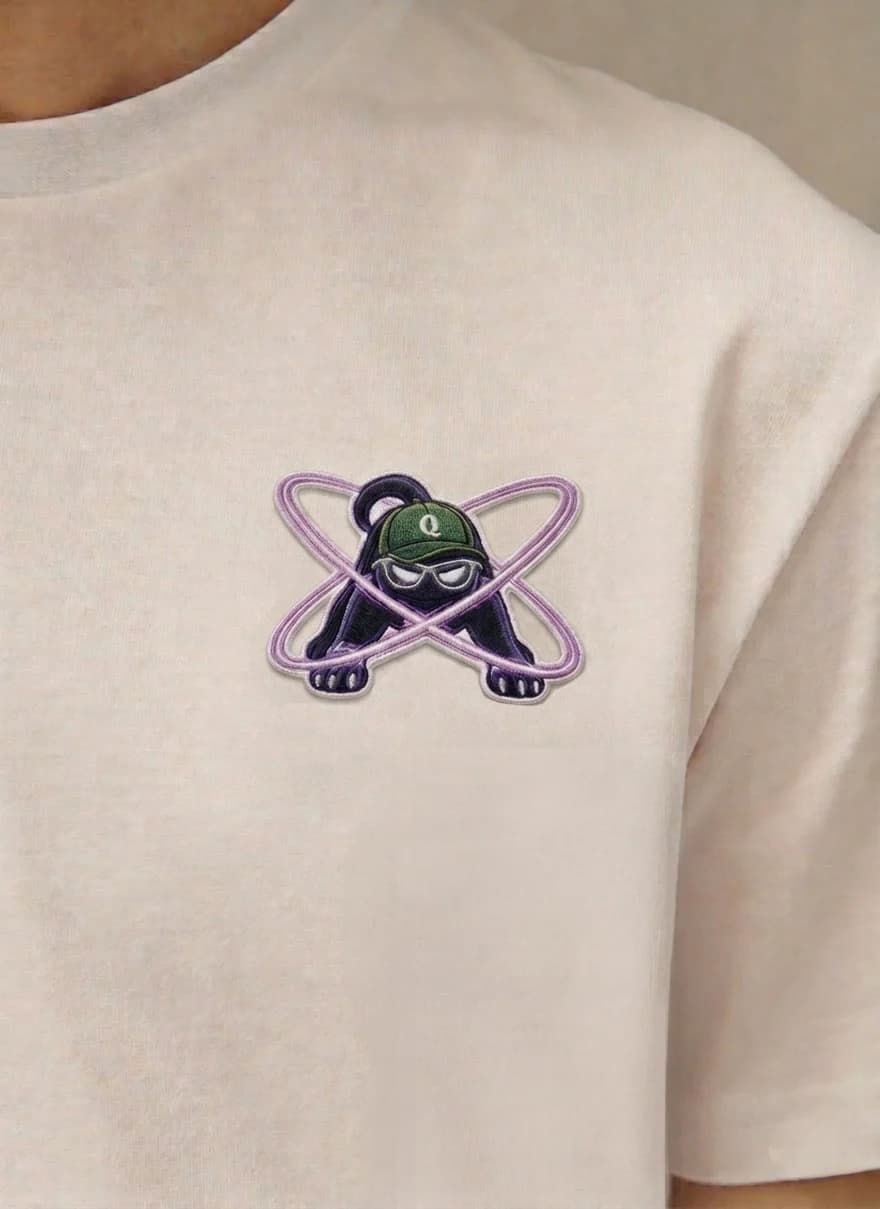
The mascot also gave the brand a flexible way to extend beyond the core product and into more playful, shareable expressions. Merchandise was one example of this: the cat appeared as a small branded emblem on apparel, turning the identity into something employees could actually wear and connect with - helping them become ambassadors of the brand.
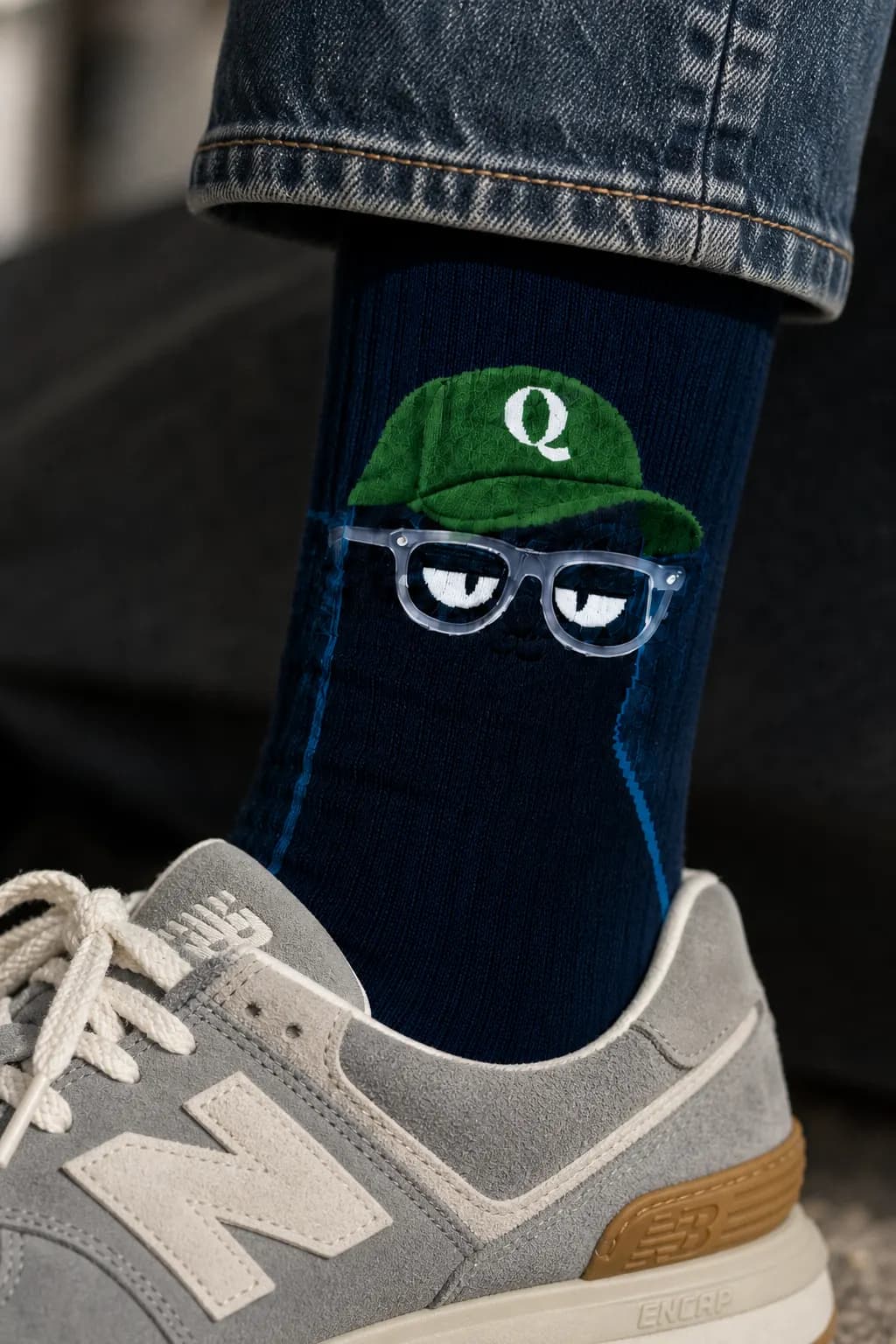
We also placed the character more directly into the world of quantum security, using narrative illustrations and visual scenes that showed the cat inside real technical environments. We also brought the character into the physical world by creating a mascot costume for viral campaigns, helping drive engagement and real-world brand recognition.


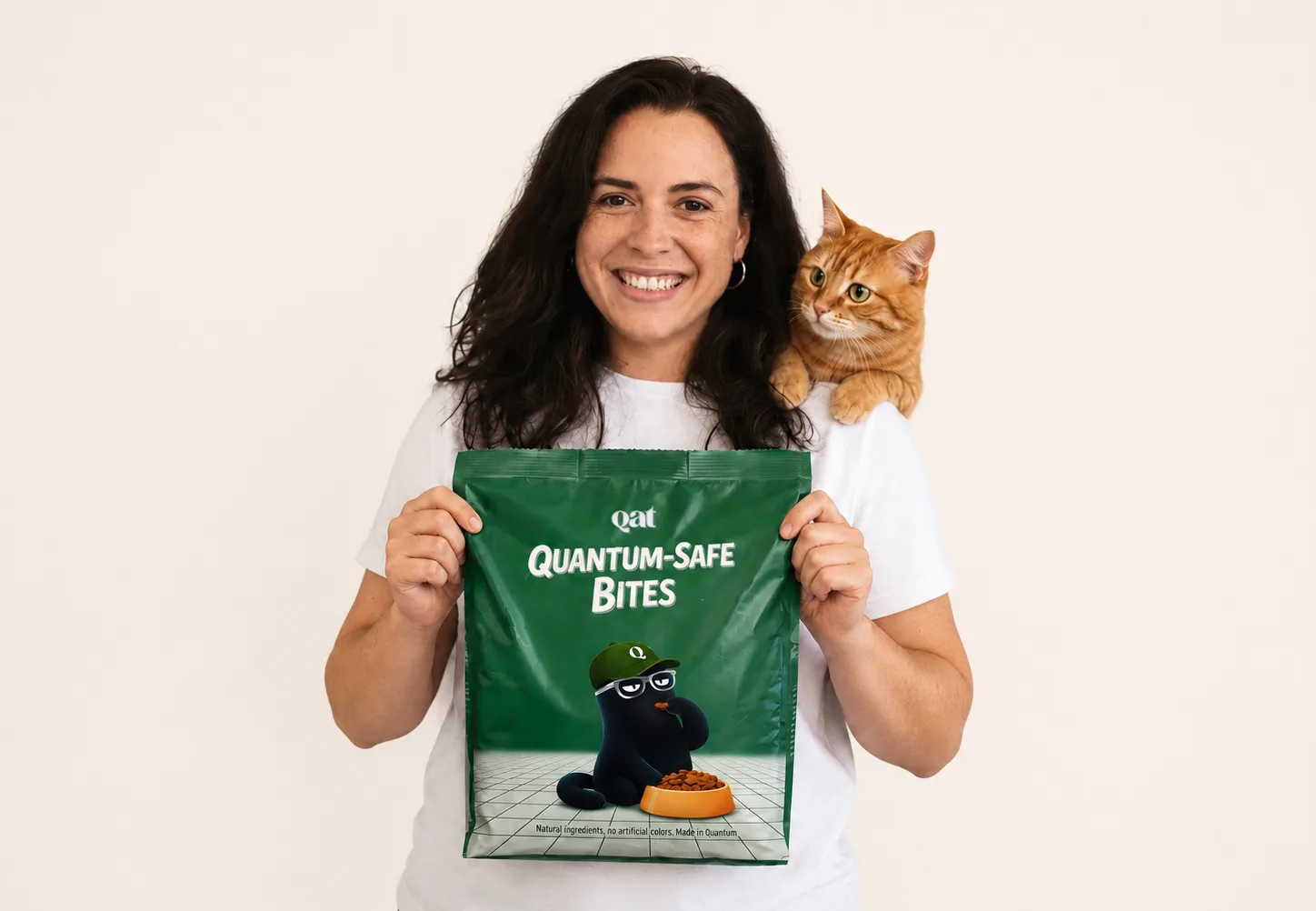
That same logic extended into growth marketing as well. One example was Qat-branded cat food, created as a playful piece of company merchandise and shared through employees to their friends. To receive it, people had to post a photo of their cat on social media and tag a friend who worked at Qat - turning the giveaway into a highly shareable mechanic that encouraged organic sharing.
Employees became ambassadors, their friends became participants, and the product itself became a conversation starter. In that sense, the mascot did more than add charm - it helped the brand spread through objects people actually wanted to keep, post, and share.
Another use of the cat character appears in social content for industry events. For Black Hat 2026, the mascot was adapted into a conference-specific visual, wearing a black hat and placed in a playful Las Vegas-inspired scene. This showed how the identity could stay consistent while adapting to different moments and contexts.
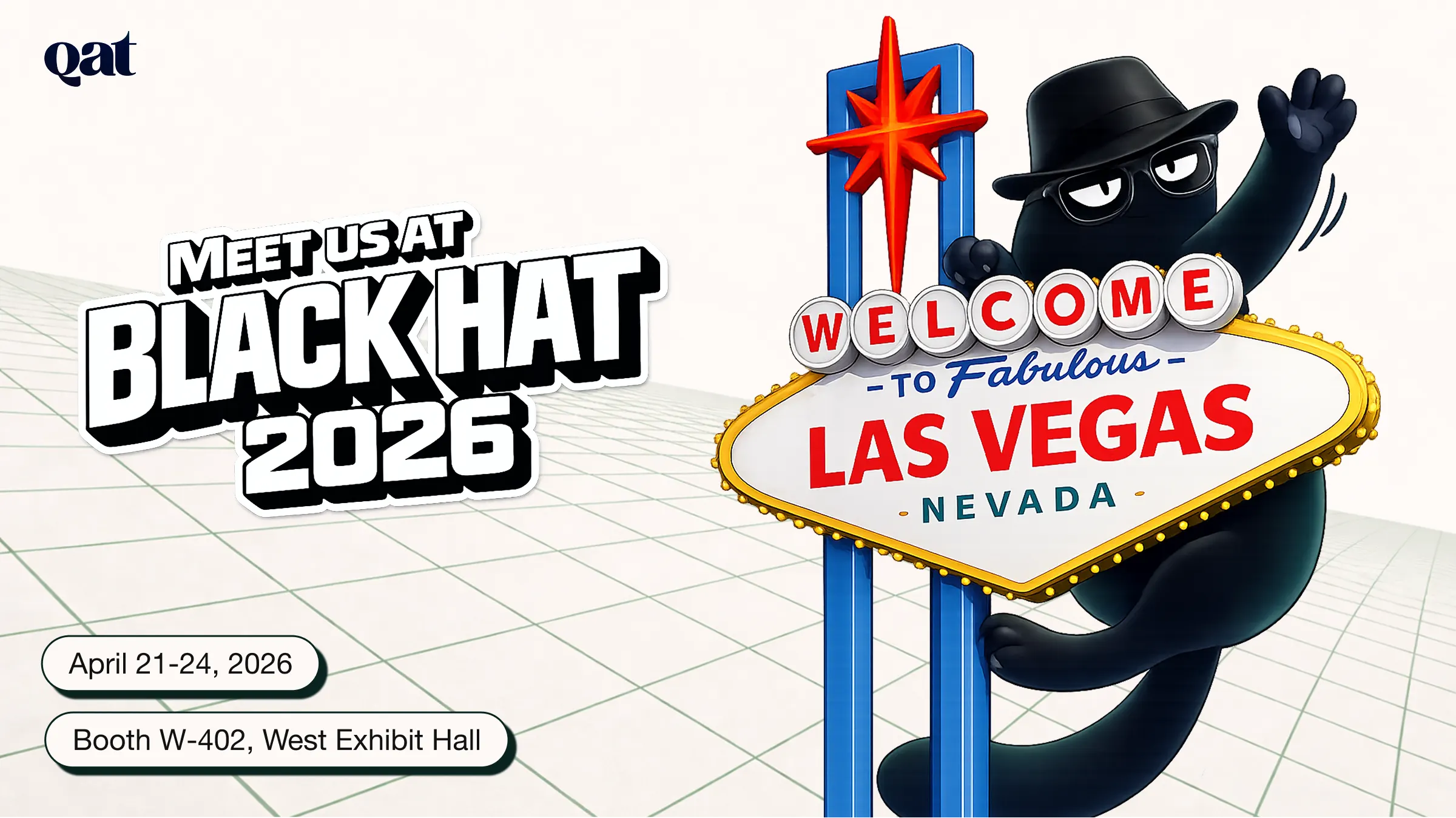
Together, these examples show how the Qat mascot became much more than a visual reference - it became a flexible brand asset that could move across product, merchandise, social content, and growth marketing activations without losing coherence. The cat added personality and memorability to a highly technical category, while still feeling disciplined enough for cybersecurity. In that sense, the mascot helped Qat build a brand that was not only memorable, but also easier to share, recognize, and connect with.
Product Design
The product was designed to make complex quantum infrastructure feel clear, structured, and actionable. Rather than thinking in terms of isolated screens, the system operates as a continuous monitoring surface - combining high-level signals, grouped domains, and deeper investigative layers. This reflects how security teams actually work: scanning, prioritizing, and drilling down under time pressure.
The product includes a wide range of screens and data layers. Given its scope, I’ve chosen to highlight three representative examples that demonstrate key aspects of the design approach.
The first example is the Infrastructure Overview, the main entry point: a high-density dashboard that surfaces critical signals across the system. Built on a modular grid, each card represents a distinct domain, helping users orient quickly, identify priorities, and focus on what matters most while keeping the interface calm and readable under pressure.
The second example is the Global Quantum Execution Activity view, which adds a geographic layer to the system. It turns complex infrastructure activity into a clear visual map, helping users see where quantum workloads are concentrated and how risk is distributed across regions. The default view stays clean and scannable, while hover states reveal key regional metrics when deeper insight is needed.
The third example is the System Threat Report, where signals become actionable insight. It turns detected issues into clear context, impact, and next steps, helping teams understand what’s happening and how to respond. The structure moves from summary and key indicators into trends, evidence, affected entities, and policy logic, keeping complex threat analysis focused, readable, and directly connected to control.
Another aspect of the design is the minimal integration of the Qat character. It appears only in transitional moments, such as loading or processing states, acting as a subtle sign of activity while adding personality. This restraint keeps the interface calm, focused, and clear, while still giving the product a distinct human touch.
In deep focus...
Filtering noise and focusing on what actually matters across your quantum systems.
Overall, the product design transforms complex, high-volume quantum infrastructure into a clear, structured, and actionable experience. It is built around how security teams actually operate - continuously scanning signals, prioritizing risk, and drilling into issues under time pressure. At the same time, the system balances simplicity with depth. High-level views provide immediate awareness, while deeper layers enable detailed investigation without overwhelming the user.
Design System
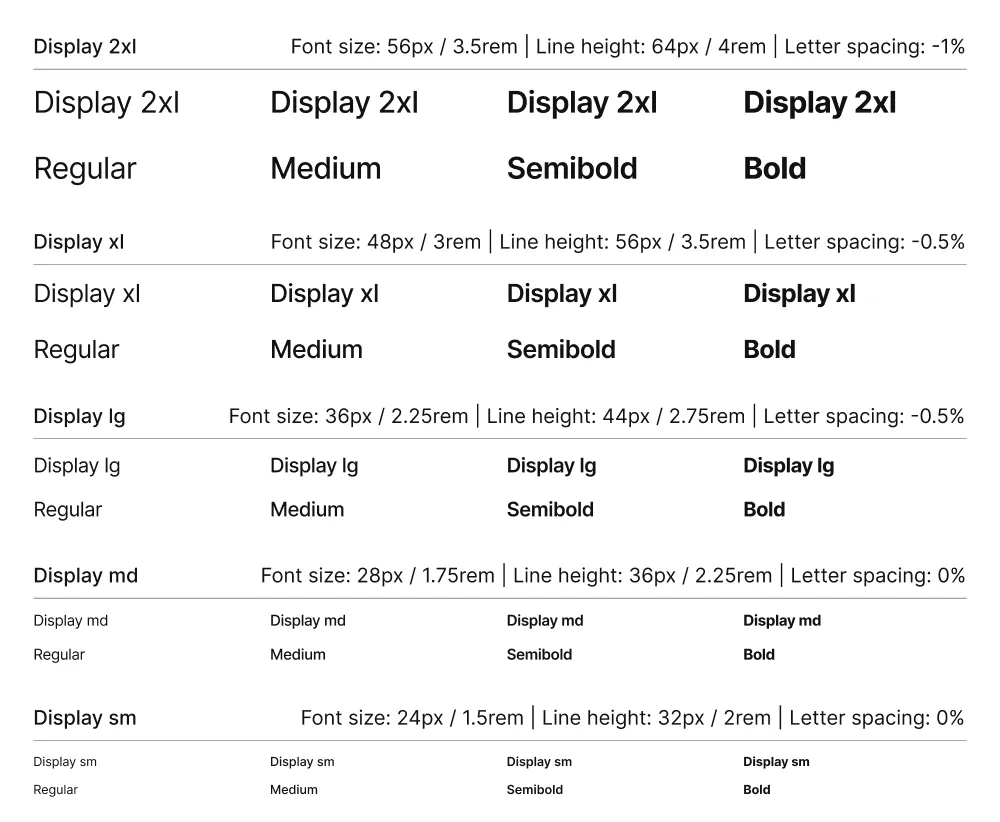
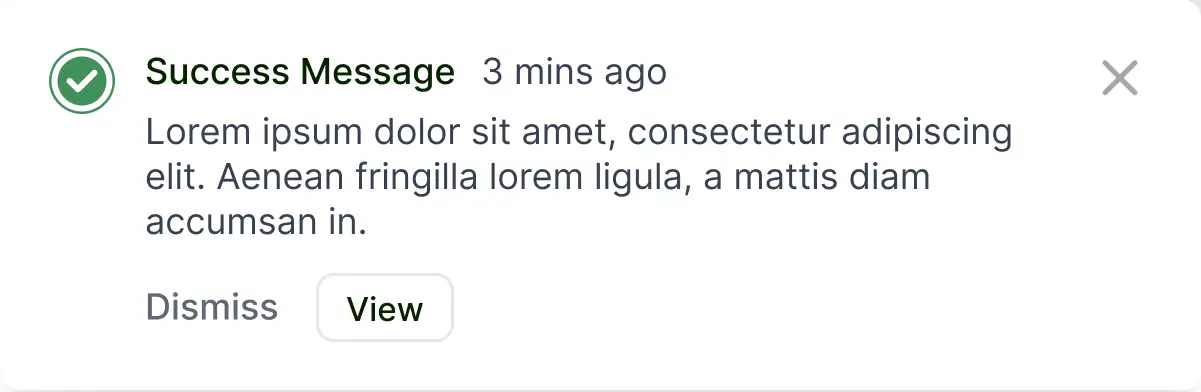
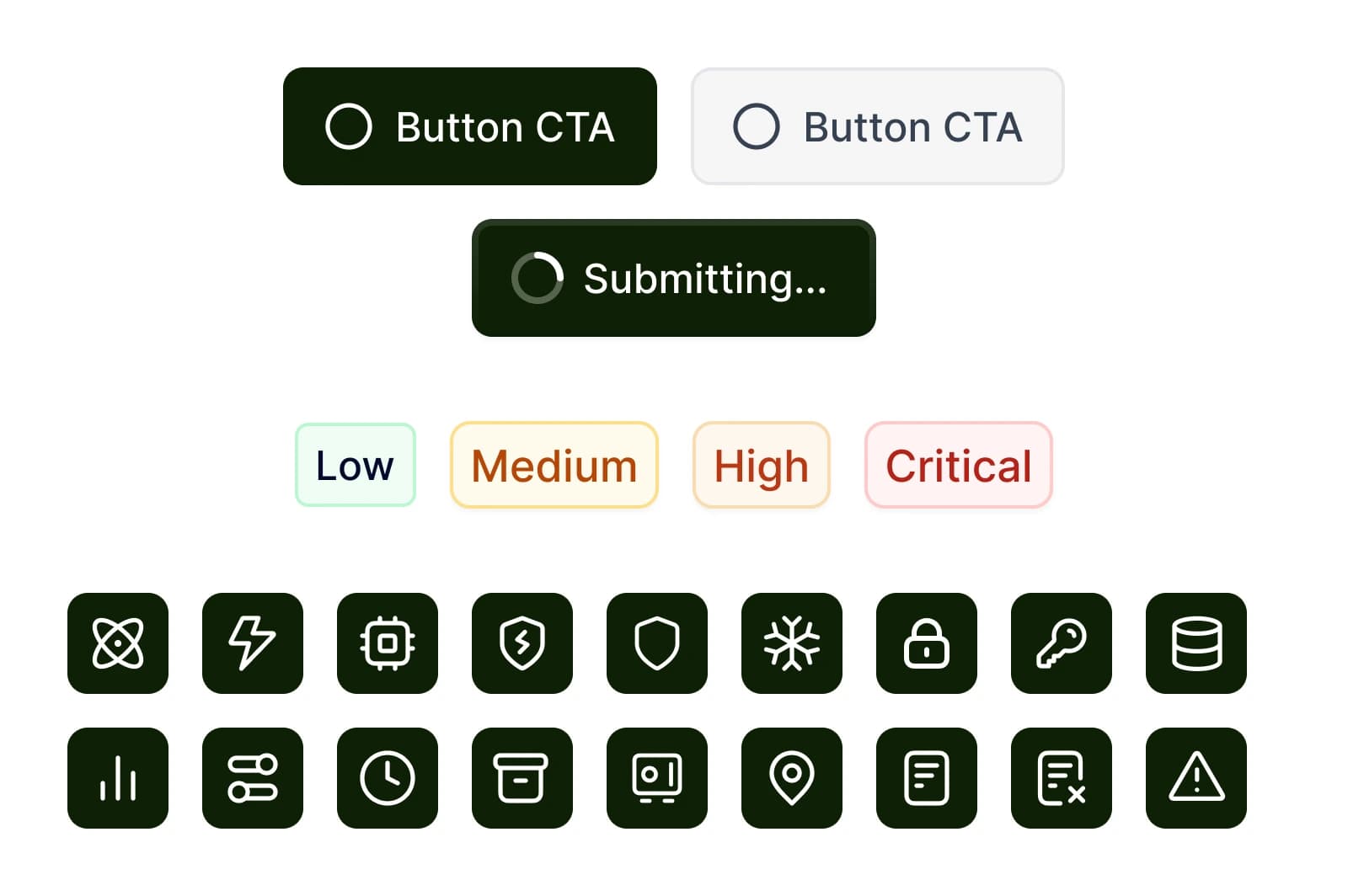
The design system defined the core rules of the product, including spacing, typography hierarchy, color tokens, severity logic, iconography, and layout structures. Reusable components such as cards, tables, metrics, filters, and alert states formed the foundation of the interface. This ensured that new features and views could be added without breaking the system logic.
One of the most important outcomes of the system was the alignment between brand and product. The same principles that shaped the visual identity - clarity, structure, precision, and calm confidence - were carried into the interface through reusable patterns, consistent hierarchy, and a restrained visual language.
The result was a unified ecosystem in which the brand expresses the company’s personality and ambition, while the product translates those same values into a practical operational tool.
Conclusion
Qat was an opportunity to design a company from both the inside and the outside - shaping not only how the product works, but also how the company presents itself to the world. It was also an opportunity to design a cybersecurity dashboard for the world of quantum computing - two highly complex domains that involve dense information, technical depth, and the challenge of making advanced systems feel usable and understandable.
The project required balancing technical depth with usability, and distinctiveness with trust. A shared foundation for both brand and product made it possible to create a system that feels coherent across every layer - from dashboards and design components to marketing materials and visual identity.
The outcome is a brand and product experience that reflects the same core qualities: clarity, confidence, technical depth, and character. In a field as complex and emerging as quantum cybersecurity, that alignment was essential - helping Qat feel both credible in the present and ready for what comes next.